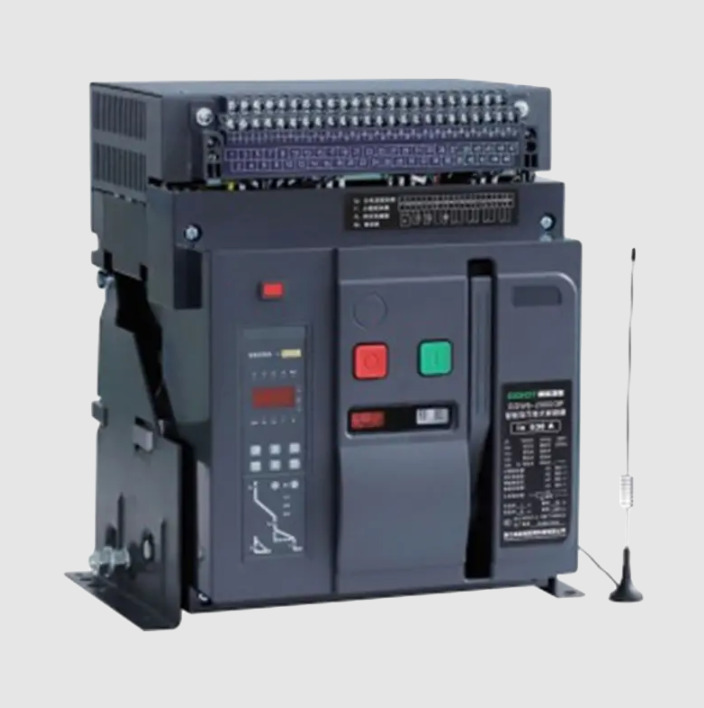
The practical interaction between External Bypass Soft Starter, IoT Circuit Breaker reflects how contemporary electrical systems balance motor control requirements with monitoring and protection needs. These two components are often discussed separately, yet in real installations they coexist within the same control framework, shaping how power is delivered, regulated, and supervised during daily operation.
An external bypass soft starter is typically selected to reduce thermal load on internal power components once a motor reaches steady speed. By transferring current flow to an external contactor, the soft starter minimizes continuous conduction losses. This design choice affects panel layout, wiring complexity, and coordination with upstream protection devices. The presence of an IoT circuit breaker upstream introduces additional considerations related to communication, data acquisition, and fault response.
From a system perspective, startup behavior is only one phase of motor operation. During acceleration, the soft starter manages voltage ramping and current limitation. Once bypassed, the motor operates directly on line power. At this stage, the IoT circuit breaker becomes a primary observer of electrical parameters such as current fluctuation, overload trends, and abnormal conditions. Its monitoring role does not interfere with the bypass path but complements it by providing system-level visibility.
Coordination between these devices depends on parameter alignment rather than functional overlap. The external bypass soft starter focuses on controlled starting and stopping, while the IoT circuit breaker emphasizes protection and data reporting. Setting appropriate trip curves and communication thresholds helps avoid unnecessary interruptions during transient conditions. This coordination is typically defined during commissioning rather than after installation.
Installation practices reflect this division of responsibility. Control panels often allocate separate zones for soft starter power paths, bypass contactors, and breaker communication modules. Cable routing and signal isolation are considered carefully to prevent interference between control signals and measurement circuits. These physical arrangements support stable long-term operation.
Operational data collected by IoT circuit breakers offers insight into how often bypass operation occurs and how the motor behaves under load. Over time, this data can inform maintenance planning or system adjustments without altering the soft starter configuration. Such feedback loops illustrate how monitoring complements control without introducing redundancy.
Maintenance routines also benefit from this structure. External bypass soft starters experience reduced thermal stress during steady operation, while IoT circuit breakers provide historical fault records. Technicians can evaluate system behavior using logged data rather than relying solely on visual inspection or manual measurement.
The integration of these components reflects a broader trend toward modular electrical systems. Each device addresses a specific function while contributing to overall system awareness. Understanding their coordinated roles supports more predictable operation across varied industrial environments.

Inspire creativity, unleash adventure, and foster connections, all while exploring the world! Geostalgia.com is your American Made Social Network. No Billionaire's are involved with the creation of Geostalgia.
