Posted by Hua Qi
Filed in Arts & Culture 8 views
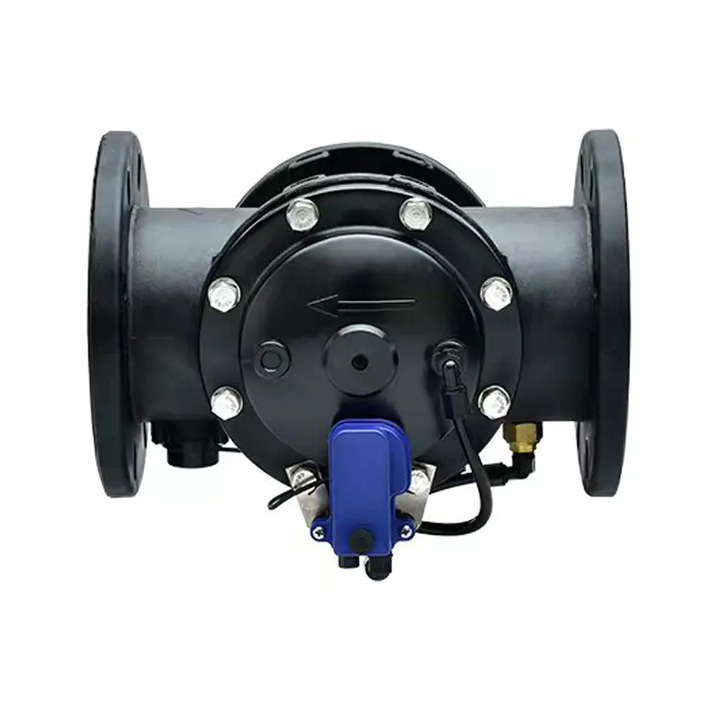
In many outdoor watering setups, a garden solenoid valve plays a key role in managing water distribution, while a latching solenoid valve offers an alternative approach for situations where power conservation matters. These components help automate the process of turning water on and off without constant manual intervention. Over time, people have integrated them into various systems to handle tasks like lawn sprinkling or plant hydration. Understanding how they function can make a difference in maintaining a healthy yard.
The basic design of a solenoid valve involves an electromagnetic coil that moves a plunger to open or close the flow path. For garden applications, this means connecting the valve to a timer or controller that signals when to activate. Materials like plastic or brass are common, chosen for their resistance to weather and corrosion. Installation often starts with threading the valve into existing pipes, ensuring seals are tight to prevent leaks. Regular checks for debris buildup keep things running smoothly.
When it comes to energy use, the latching type stands out because it only needs a brief pulse to change state, rather than continuous power. This makes it suitable for battery-operated systems in remote areas. In contrast, standard garden versions require ongoing electricity to stay open, which can add up in costs if left running. Both types come in different sizes, from half-inch to larger diameters, depending on the volume of water needed.
Maintenance involves simple steps like cleaning the filter screen inside the valve body. If sediment from the water source accumulates, it can cause the plunger to stick. Flushing the system periodically helps avoid this issue. For those setting up a new irrigation layout, considering the pressure rating is important, as too much force can damage the internal parts.
In practical scenarios, homeowners might use a garden solenoid valve for zoned watering, where different sections of the yard get hydrated at specific times. This prevents overwatering in some spots while under-serving others. Pairing it with sensors that detect soil moisture adds another layer of control, adjusting based on actual conditions rather than a fixed schedule.
The latching solenoid valve finds its place in solar-powered setups, where conserving battery life extends the operational period. A quick electrical signal latches it into position, and another reverses it. This mechanism reduces wear on the components compared to constant energizing.
Troubleshooting common problems includes checking the wiring connections if the valve fails to respond. Loose or corroded wires can interrupt the signal. Voltage drops from long cable runs might also weaken the magnetic field, so using appropriate gauge wire matters.
For durability, selecting valves with reinforced diaphragms helps withstand varying water qualities. Some models include manual override features, allowing operation without electricity during outages. This flexibility comes in handy for emergency watering.
Expanding on applications, these valves appear in greenhouse environments, controlling misting systems for delicate plants. The precision in timing ensures consistent humidity levels. In larger landscapes, multiple valves connect to a central controller, synchronizing the entire network.
Materials science has influenced valve construction, with advancements in polymers making them lighter and more resistant to UV exposure. This prolongs lifespan in sunny climates. Compatibility with smart home systems allows remote monitoring via apps, giving users updates on status.
Safety considerations include ensuring the electrical components are waterproofed to prevent shorts. Grounding the system protects against surges. When integrating with pumps, matching the flow rates avoids straining the equipment.
Cost factors vary, with basic garden models being affordable for small setups, while latching versions might cost more upfront but save on energy long-term. Sourcing from reliable suppliers ensures quality parts that perform as expected.
Environmental impacts come into play, as efficient valves reduce water waste, contributing to conservation efforts. In arid regions, this becomes particularly relevant for sustainable practices.

Inspire creativity, unleash adventure, and foster connections, all while exploring the world! Geostalgia.com is your American Made Social Network. No Billionaire's are involved with the creation of Geostalgia.
