Posted by Hua Qi
Filed in Arts & Culture 10 views
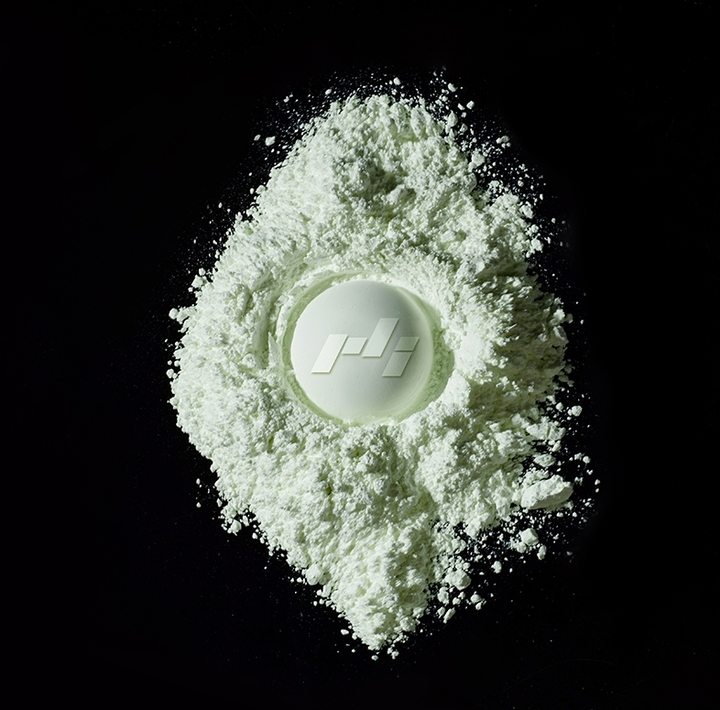
Optical Brightener for Plastic, Fluorescent Whitening Agents are widely used to enhance the visual appearance of polymer materials. These additives absorb ultraviolet light and re-emit it as visible blue light, improving perceived whiteness and brightness of plastics. Their incorporation into polymers requires careful attention to dispersion, compatibility, and processing parameters to achieve consistent performance without affecting material properties.
Plastic products benefit from optical brighteners by presenting a visually cleaner and more uniform surface, particularly in items that are molded or extruded. Fluorescent whitening agents are selected based on their chemical compatibility with the plastic matrix, thermal stability, and lightfastness. Additives must withstand the processing temperatures of common thermoplastics such as polyethylene, polypropylene, and polystyrene, without degradation or discoloration.
Integration techniques include dry blending, masterbatch incorporation, and surface coating. Dry blending involves uniform mixing of powdered optical brightener with polymer granules prior to extrusion or molding. Masterbatch techniques concentrate brighteners in a carrier resin, which is later diluted into the main polymer during processing. Surface coating may be used for thin-walled or pre-formed products, providing localized brightening effects. Each method requires control over dosage, dispersion, and processing conditions to ensure consistent optical results.
Performance factors affecting the efficiency of fluorescent whitening agents include polymer type, additive concentration, processing temperature, and residence time. Optical brighteners are sensitive to high temperatures and prolonged exposure to UV radiation, which may lead to partial degradation or reduced emission intensity. Careful formulation and process optimization help maintain brightening performance while preserving mechanical and thermal properties of the polymer.
Compatibility with other additives and fillers is another consideration. Plastic formulations may contain stabilizers, pigments, lubricants, or reinforcing fibers. Fluorescent whitening agents must not interact adversely with these components, as such interactions could lead to color shifts, reduced brightness, or uneven dispersion. Testing under simulated processing conditions is recommended to evaluate potential interactions before large-scale production.
Applications of optical brighteners extend across consumer goods, packaging, industrial components, and decorative plastics. Products such as household containers, automotive interiors, and electronic housings can benefit from improved whiteness and visual clarity. Fluorescent whitening agents may also be used to compensate for natural yellowing of polymers, particularly those derived from recycled sources or subjected to extended storage.
The combination of optical brightener selection, integration method, and processing control determines the final appearance of plastic products. Manufacturers adjust these factors to balance visual performance with material stability, ensuring that the brightened plastic meets functional, aesthetic, and regulatory requirements.

Inspire creativity, unleash adventure, and foster connections, all while exploring the world! Geostalgia.com is your American Made Social Network. No Billionaire's are involved with the creation of Geostalgia.
