Posted by Owen Marchand
Filed in Arts & Culture 23 views
Fallout 76 transforms the traditional post-apocalyptic experience into a shared online world where survival, exploration, and player interaction define the journey. Set in the sprawling region of Appalachia after a nuclear catastrophe, the game challenges players to emerge from Vault 76 and navigate a landscape filled with danger, opportunity, and discovery. Unlike previous entries in the series, the focus is not only on individual survival but also on the dynamic interactions between players, making every encounter unique.
Exploration is a central pillar of Fallout 76. Appalachia is a diverse and immersive world, ranging from dense forests and rolling hills to abandoned towns, industrial zones, and irradiated regions. Every corner of the map tells a story of what happened before and after the bombs fell. Environmental storytelling through ruined buildings, scattered notes, and holotapes encourages players to uncover hidden histories while rewarding curiosity with rare loot, new quests, and unique encounters. The open-world design ensures that no two adventures feel the same.
Survival mechanics play a significant role in shaping gameplay. Players must carefully manage health, radiation, hunger, and equipment durability while scavenging for essential resources. Crafting is vital, allowing players to transform collected materials into weapons, armor, and useful items for both defense and exploration. These systems ensure that preparation and strategy are just as important as combat skill, creating a sense of tension and accomplishment with every successful mission.
Fallout 76’s multiplayer aspect enhances the sense of a living world. Other players populate Appalachia, providing opportunities for cooperation, trading, and shared events. Public events encourage teamwork to defeat challenging enemies or protect objectives, creating moments of chaos and triumph that are difficult to achieve alone. While collaboration is advantageous, players can also explore solo, balancing independence with the benefits of community engagement. This shared-world structure adds unpredictability and excitement to the wasteland.
Base building is another key feature that adds depth and personalization. Camps function as personal shelters, crafting hubs, and creative expressions. Players can design simple, functional outposts for survival or elaborate constructions that showcase creativity. The flexibility to relocate camps allows for adaptation to new areas or evolving goals, reinforcing the theme of reclaiming and reshaping the wasteland.
Narrative depth has evolved over time, with quests, factions, and fully voiced characters offering meaningful choices. Player decisions influence relationships, outcomes, and alliances, blending traditional role-playing elements with the freedom of an open-world experience. These narrative elements give weight to actions and foster a sense of consequence throughout the journey.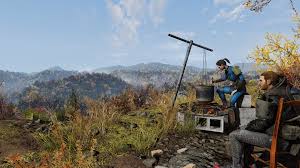
Combat in Fallout 76 is flexible, with a variety of weapons, perks, and playstyles. Players can focus on stealth, ranged combat, or heavy firepower, allowing experimentation and strategic diversity. This ensures that even long-term players continue to find engaging challenges in the wasteland.
Fallout 76 Boosting is more than a survival game; it is a living, evolving world shaped by exploration, cooperation, and player choice. Appalachia is a wasteland filled with danger and opportunity, where every decision contributes to a personal and collective story of survival, resilience, and rebuilding.

Inspire creativity, unleash adventure, and foster connections, all while exploring the world! Geostalgia.com is your American Made Social Network. No Billionaire's are involved with the creation of Geostalgia.
