Posted by Owen Marchand
Filed in Arts & Culture 56 views
When Fallout 76 first emerged from its vault, the world of Appalachia was a quiet, uncanny place. Devoid of human NPCs, its stories were told through silent terminals, abandoned holotapes, and the skeletal remains of a world that had already ended. Critics were harsh, and the technical challenges were significant. Yet, against substantial odds, a dedicated community took root in those irradiated hills. This player base became the game's beating heart and the catalyst for its most profound transformation, turning a desolate multiplayer experiment into a vibrant, living world. The evolution of Fallout 76 is a testament not just to developer support, but to the power of a committed, creative, and surprisingly compassionate online collective.
The community's role was written into the game's very premise. As the first vault dwellers to emerge, players were positioned as the architects of the new wasteland. In the absence of scripted human characters, other players became the unpredictable agents of both chaos and kindness. This fostered a unique social ecosystem. Veteran players, often referred to as "vault elders," took it upon themselves to mentor newcomers. It became a common sight to see a high-level player seek out a fresh dweller emerging from Vault 76, dropping a care package of purified water, stimpaks, and crafted gear before offering a friendly wave and disappearing. Player-run markets at hubs like the Whitespring Mall or outside the rusty pick created bustling economies where legendary gear, rare plans, and junk were traded with a barter system that relied on mutual agreement rather than a fixed currency. This emergent kindness became a defining trait, countering the initial "kill-on-sight" expectations of a post-apocalyptic multiplayer game.
Beyond simple aid, the community expressed itself through shared world-building and events. Camps, the game's intricate player housing system, evolved from simple shelters into elaborate roadside attractions, intricate trading posts, and immersive theme bars. Players would open their meticulously crafted camps to strangers, offering free buffs, amusement, or simply a scenic place to rest. During seasonal events like "Fasnacht Day" or "Meat Week," the entire server population would often organically coalesce, completing objectives in a joyful, chaotic parade before celebrating together with emotes and shared loot. These gatherings, completely driven by player participation, created a sense of shared purpose and belonging that the original, empty narrative could not.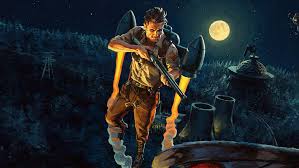
The developers at Bethesda took note, and the game's subsequent updates, most notably the "Wastelanders" expansion, directly mirrored the community's behavior. The introduction of human NPCs and faction quests felt like a natural progression, as if the pioneering work of the player base had finally repopulated the region. The community's preferred playstyles—cooperation, trade, and camp-building—were validated and enhanced with new systems and rewards. Today, the world of Fallout 76 is a hybrid: a developer-crafted narrative landscape overlaid with the indelible, player-driven stories of resilience and fellowship. It stands as a unique case study in how a passionate and patient player base can not only sustain a game through difficult times but actively shape its soul and steer its future, forging a true nuclear family from the ashes of a rocky start.

Inspire creativity, unleash adventure, and foster connections, all while exploring the world! Geostalgia.com is your American Made Social Network. No Billionaire's are involved with the creation of Geostalgia.
